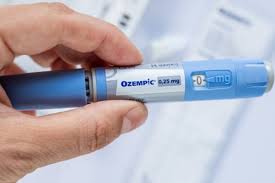
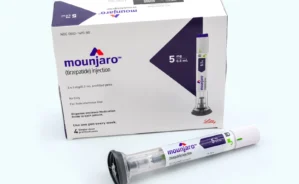
Ozempic vs Mounjaro: Real Patient Results & Side Effects [2025]
For more information on our content creation process, view our Editorial Policy.
Key Takeaways
- Mounjaro delivers superior results: 81.8% of patients achieve ≥5% weight loss vs 66.5% with Ozempic, averaging 17-25 pounds lost compared to Ozempic’s 13 pounds
- Dual-action mechanism drives effectiveness: Mounjaro targets both GLP-1 and GIP receptors while Ozempic only targets GLP-1, explaining the enhanced weight loss and blood sugar control
- Side effects are comparable but distinct: Both cause similar nausea rates (~5% vomiting), but Mounjaro shows more diarrhea (12-17%) while Ozempic causes more nausea (16-20%)
- •Cost remains the biggest barrier: Both medications cost $1,000+ monthly without insurance, though manufacturer discount programs can reduce costs to $25/month for eligible patients
In the battle of Ozempic vs Mounjaro, the evidence speaks volumes.
According to recent studies, Mounjaro (tirzepatide) leads to at least 5% weight loss in 81.8% of adults within one year, compared to 66.5% for those using Ozempic (semaglutide). This striking difference has caught the attention of both patients and healthcare providers alike.
Also, new studies show Mounjaro users lost between 17 to 25 pounds on average, while Ozempic users typically lost about 13 pounds.
Additionally, some Mounjaro patients experienced more than 20% body weight reduction with the 15mg weekly dose. The difference between Ozempic and Mounjaro extends beyond weight loss, however, as Mounjaro also reduced A1C levels by 2% to 2.3% compared to Ozempic’s 1.9% reduction.
In fact, a recent JAMA Internal Medicine study confirmed that people taking Mounjaro lost significantly more weight than those on Ozempic in real-world conditions.
With 1 in 8 American adults (12%) having tried a GLP-1 medication at some point, the question of which is better, Ozempic or Mounjaro, has become increasingly relevant.
While Mounjaro appears more effective for both weight loss and blood sugar control, it also comes with a higher price tag.
In this guide, we’ll explore the mechanisms, real patient outcomes, side effects, and practical considerations to help you understand the key differences between these popular medications.
Mechanism of Action: GLP-1 vs GIP+GLP-1
The fundamental difference between Ozempic and Mounjaro lies in their mechanism of action at the hormonal level. Ozempic (semaglutide) works by mimicking glucagon-like peptide-1 (GLP-1), a naturally occurring hormone that regulates blood sugar and appetite. It binds exclusively to GLP-1 receptors, primarily affecting pancreatic function and brain satiety centres.
Mounjaro (tirzepatide), conversely, acts on both GLP-1 receptors and glucose-dependent insulinotropic polypeptide (GIP) receptors, making it the first dual-action medication in this class. This twin-targeting approach creates a synergistic effect, potentially explaining Mounjaro’s enhanced efficacy in clinical trials.
Appetite Suppression and Satiety Differences
Both medications slow gastric emptying and reduce appetite, yet through different pathways. GLP-1 activation alone (Ozempic) directly suppresses appetite by acting on brain satiety centres.
Impact on Insulin Secretion and Glucose Control
GLP-1 and GIP hormones differ markedly in their metabolic effects:
- Insulin regulation: Both hormones stimulate insulin secretion from pancreatic β-cells, but through slightly different cellular mechanisms. When combined, their effects are additive.
- Glucagon production: Interestingly, GLP-1 suppresses glucagon secretion during hyperglycemia, whereas GIP actually increases glucagon during hypoglycemia. This complementary action creates a more physiologically balanced glucose response.
- Beta-cell health: Both GIP and GLP-1 promote β-cell proliferation and inhibit apoptosis, thereby protecting pancreatic function over time.
These differences explain why Mounjaro reduced A1C levels by 0.5% more than Ozempic and 1% more than insulin glargine in FDA trials, offering superior glycemic control through its dual mechanism.
Real Patient Results: A1C and Weight Loss Outcomes
Clinical data paints a clear picture of why many patients prefer Mounjaro over Ozempic for weight management and blood sugar control.
SURPASS-2 Trial: A1C Reduction and Weight Loss
The landmark SURPASS-2 trial directly compared Mounjaro to Ozempic in over 1,870 adults with type 2 diabetes. Mounjaro demonstrated superior results, reducing A1C levels by 2.0-2.3% versus Ozempic’s 1.9% reduction.
Remarkably, patients receiving Mounjaro lost 17-25 pounds on average, significantly outperforming Ozempic users who lost approximately 13 pounds. Additionally, nearly twice as many Mounjaro patients achieved normoglycemia (A1C below 5.7%) compared to those on Ozempic.
EHR Study: 81.8% vs 66.5% Achieving 5% Weight Loss
A comprehensive real-world study published in JAMA Internal Medicine examined 18,386 matched patients, revealing striking differences:
- 81.8% of Mounjaro users achieved ≥5% weight loss versus 66.5% for Ozempic
- 62.1% of Mounjaro users reached ≥10% weight loss compared to just 37.1% for Ozempic
- 42.3% of Mounjaro patients lost ≥15% of their body weight versus 18.1% for Ozempic
These findings demonstrate Mounjaro’s substantially greater effectiveness for weight management.
Book My Free Nutrition Consultation to learn how these medications might fit into your personal health plan.
Weight Loss in Non-Diabetic vs Diabetic Patients
Interestingly, both medications produced greater weight loss in non-diabetic patients than in those with type 2 diabetes.
Nevertheless, Mounjaro consistently outperformed Ozempic across both populations. Given these findings, healthcare providers increasingly recommend Mounjaro for patients primarily seeking weight management benefits.
Time to Results: 3, 6, and 12-Month Milestones
Weight loss progressively increases over time with both medications, yet the gap between them widens:
- At 3 months: Mounjaro 5.9% vs Ozempic 3.6% weight loss
- At 6 months: Mounjaro 10.1% vs Ozempic 5.8% weight loss
- At 12 months: Mounjaro 15.3% vs Ozempic 8.3% weight loss
These differences translate to roughly double the weight reduction with Mounjaro by the one-year mark.
Side Effects and Safety Profile Comparison
Safety considerations remain paramount when choosing between Ozempic and Mounjaro for weight loss or diabetes management. Understanding their distinctive side effect profiles helps determine individual suitability.
Gastrointestinal Side Effects: Nausea, Vomiting, Diarrhea
Both medications primarily cause gastrointestinal disturbances, albeit with different frequencies. Nausea occurs in 12-18% of Mounjaro patients versus 16-20% with Ozempic. Diarrhea appears more frequently with Mounjaro (12-17%) compared to Ozempic (8.5-8.8%).
Interestingly, vomiting rates remain similar at approximately 5% for both medications. These side effects typically diminish over time as the body adjusts, especially when dosages increase gradually.
Discontinuation Rates Due to Side Effects
Clinical data reveal that 4-10% of patients discontinue Mounjaro due to gastrointestinal side effects, slightly higher than Ozempic’s 3.1-3.8% discontinuation rate.
This difference suggests comparable tolerability despite Mounjaro’s dual-hormone action. Overall, stomach side effects occurred in 37-44% of Mounjaro patients versus 33-36% with Ozempic.
Rare Risks: Ileus and Aspiration During Surgery
A noteworthy risk involves surgical procedures. Since both medications slow gastric emptying, they increase aspiration risk during anesthesia. A recent study found 56% of patients taking GLP-1 medications had significant gastric contents before surgery despite following fasting protocols.
Consequently, the American Society of Anesthesiologists recommends pausing these medications before elective procedures. Additionally, ileus (intestinal blockage) represents another rare yet serious complication.
Patient Suitability: GI History and UTI Considerations
Individuals with gastrointestinal conditions like gastroparesis should exercise caution with either medication, particularly Mounjaro.
Regarding urinary tract infections, research suggests a slight increase in UTI risk with Ozempic, though benefits typically outweigh this concern for most patients. Conversely, Mounjaro has no well-established link to UTIs. These distinctions highlight the importance of personalized prescribing based on individual medical history.
Cost, Access, and Insurance Coverage
Financial considerations often determine which medication patients can actually access, regardless of the clinical differences between Ozempic and Mounjaro.
Monthly Cost: $1,000+ Without Insurance
The price tag for these medications is substantial.
Mounjaro’s list price stands at approximately $1,079.77 per month, with most patients paying between $1,000 and $1,200 without insurance. Specifically at Walmart, expect to pay around $1,100 for a one-month supply of Mounjaro.
Similarly, Ozempic costs about $935 monthly without coverage, making both medications financially challenging for many patients.
Internationally, these prices are dramatically higher than in other countries. Ozempic’s U.S. price ($936) is over 5 times that in Japan ($169) and nearly 10 times higher than in several European countries.
Insurance Coverage for Diabetes vs Weight Loss Use
Insurance coverage varies dramatically based on the prescription’s purpose. Most commercial plans cover these medications for diabetes treatment, yet only about one-third cover them for weight loss.
Medicare cannot legally cover weight loss medications but will cover Ozempic for diabetes. Likewise, fee-for-service Medicaid only covers weight-loss medication in 15 states. Prior authorization requirements frequently complicate access, even for approved conditions.
Comparison Table: Ozempic vs Mounjaro
| Comparison Factor | Ozempic (semaglutide) | Mounjaro (tirzepatide) |
|---|---|---|
| Mechanism of Action | GLP-1 receptor only | Dual action: GLP-1 and GIP receptors |
| Weight Loss Results | ||
| – Patients achieving ≥5% weight loss | 66.5% | 81.8% |
| – Patients achieving ≥10% weight loss | 37.1% | 62.1% |
| – Patients achieving ≥15% weight loss | 18.1% | 42.3% |
| – Average weight loss | ~13 pounds | 17-25 pounds |
| A1C Reduction | 1.9% | 2.0-2.3% |
| Side Effects | ||
| – Nausea | 16-20% | 12-18% |
| – Diarrhea | 8.5-8.8% | 12-17% |
| – Vomiting | ~5% | ~5% |
| – Overall GI side effects | 33-36% | 37-44% |
| – Discontinuation rate | 3.1-3.8% | 3-6.6% |
| Cost | ||
| – Monthly list price | $935 | $1,079.77 |
| – With manufacturer savings card | As low as $25/month | As low as $25/month |
| Insurance Coverage | Covered for diabetes; limited coverage for weight loss | Covered for diabetes; limited coverage for weight loss |
Conclusion
Throughout this analysis, we’ve seen Mounjaro consistently outperform Ozempic in both weight loss and A1C reduction, likely due to its unique dual-action mechanism targeting both GLP-1 and GIP receptors.
Most notably, Mounjaro helped 81.8% of patients achieve significant weight loss compared to Ozempic’s 66.5%, while also delivering superior blood sugar control.
Financial accessibility presents perhaps the greatest challenge for patients considering either option. Without insurance, both medications cost over $1,000 monthly, making manufacturer discount programs essential for many.
Undoubtedly, both Ozempic and Mounjaro represent significant advancements in weight management and diabetes care.
However, Mounjaro’s enhanced efficacy makes it the preferred choice for many patients seeking maximum results, provided cost and insurance hurdles can be overcome.
As research continues and both medications become more accessible, we expect these treatments to help even more patients achieve their health goals.
FAQs on Mounjaro vs Ozempic
How do the side effects of Ozempic and Mounjaro compare?
Both medications have similar gastrointestinal side effects, but their frequencies differ slightly. Mounjaro tends to cause more diarrhea (12-17% vs 8.5-8.8%), while Ozempic users report more nausea (16-20% vs 12-18%). Vomiting rates are similar at about 5% for both medications.
What long-term side effects should I be aware of when using these medications?
Long-term side effects for both medications may include pancreatitis, vision problems, and acute gallbladder disease. Both carry boxed warnings for thyroid tumor risk. It’s important to monitor for persistent gastrointestinal issues and report any concerning symptoms to your healthcare provider.
How much more effective is Mounjaro compared to Ozempic for weight loss?
Mounjaro has shown superior weight loss results in clinical studies. 81.8% of Mounjaro users achieved at least 5% weight loss compared to 66.5% for Ozempic. On average, Mounjaro users lost 17-25 pounds, while Ozempic users lost about 13 pounds.
What should I expect when switching from Ozempic to Mounjaro?
When switching, you may experience changes in appetite suppression and digestive symptoms due to Mounjaro’s dual-action mechanism. Some patients report temporary fatigue or dizziness during dosage adjustments. It’s important to follow your healthcare provider’s guidance closely during the transition.