7 Best Ozempic Alternatives Backed by Science (Plus Clinical Results)
For more information on our content creation process, view our Editorial Policy.
Key Takeaways:
- Dual benefits: Ozempic helps manage type 2 diabetes while also supporting weight loss, even though it’s not officially marketed as a weight-loss drug.
- Alternatives exist: Other GLP-1 medications, such as Mounjaro, Trulicity, Rybelsus, and Wegovy, as well as non-GLP-1 options like Metformin, offer comparable or complementary results.
- Personalized choice matters: The “best” option depends on factors such as side effects, insurance coverage, dosing preference (oral vs. injection), and long-term health goals.
Ozempic has become a buzzword in weight loss and diabetes care, but it’s not the only option delivering real results.
Whether you’re seeking fewer side effects, better insurance coverage, or simply a different mechanism of action, a variety of scientifically supported alternatives are available-some pharmaceuticals, others lifestyle-based.
Explore your options here and find a strategy that works with your health goals, not against them.
What is Ozempic?
Ozempic is the brand name for semaglutide, a GLP-1 receptor agonist administered via weekly subcutaneous injections.
Developed by Novo Nordisk, the medication received FDA approval in December 2017 for managing type 2 diabetes in adults. It’s not insulin-rather, it mimics the effects of the glucagon-like peptide-1 (GLP-1) hormone, which helps manage blood glucose levels post-meal.
>> Also read: How does Ozempic work
Mechanism of Action
Semaglutide operates by targeting three key physiological processes:
- Stimulates insulin secretion: When blood sugar levels rise, Ozempic prompts the pancreas to release insulin.
- Suppresses glucagon: It reduces the hormone that causes the liver to release stored glucose into the bloodstream.
- Slows gastric emptying: This delays how quickly food leaves the stomach, leading to a feeling of fullness and more stable blood sugar spikes after eating.
For those who want to see these biological processes in action, 3D Mechanism of Action (MoA) animations offer a clear visualization of how these drugs work on a molecular level.
FDA-Approved Uses
Currently, Ozempic is approved for:
- Improving glycemic control in adults with type 2 diabetes.
- Reducing the risk of major cardiovascular events like heart attack, stroke, or death in adults with type 2 diabetes and known heart disease.
Dosing Schedule
Patients start with a 0.25 mg dose once weekly for four weeks, then typically escalate to a 0.5 mg weekly dose. Depending on individual glycemic targets, the dosage may increase to 1 mg or even 2 mg per week.
Dual Benefit: Diabetes Management and Weight Loss
While not officially labeled as a weight-loss drug under the Ozempic brand, studies show that patients frequently experience significant reductions in body weight.
In the SUSTAIN-7 trial, individuals taking 1 mg of semaglutide lost an average of 4.6 kg (10.1 lbs) over 40 weeks compared to 1.9 kg (4.2 lbs) for those on dulaglutide 1.5 mg.
Off-Label Popularity
Although not FDA-approved for weight loss under the Ozempic label, semaglutide’s active ingredient is marketed under another brand, Wegovy, specifically for obesity management. Word-of-mouth success stories have vaulted Ozempic into broader, off-label use for weight reduction, even among people without diabetes.
7 Best Ozempic Alternatives – Backed by Data and Clinical Use
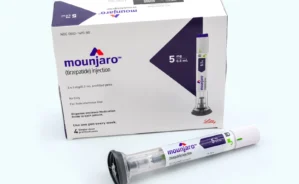
1. Mounjaro (Tirzepatide)
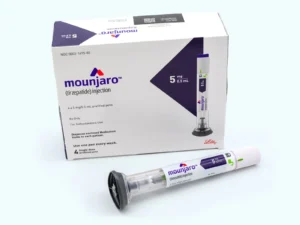
Developed by Eli Lilly and approved by the FDA in 2022, Mounjaro operates through dual action: it activates both the GIP and GLP-1 receptors.
This dual agonist approach has shown amplified effects in both blood glucose reduction and weight loss when compared to single agonist GLP-1 drugs like Ozempic.
- In the SURPASS-2 study, Mounjaro 15 mg reduced A1C by 2.3% compared to 1.86% with semaglutide (1 mg) over 40 weeks.
- Participants lost up to 13.1% of their body weight on Mounjaro 15 mg, versus 6.7% with semaglutide.
- Weekly injections, similar to Ozempic, and a titration schedule make it familiar to those already on GLP-1 analogs.
>> Read more expert insights about the differences between Mounjaro vs Zepbound
2. Trulicity (Dulaglutide)
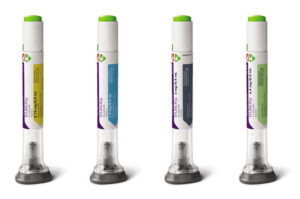
Trulicity, also from Eli Lilly, is a once-weekly GLP-1 receptor agonist introduced in 2014. It binds to the same receptors as Ozempic but features a simplified pen that doesn’t require dose dialing or needle handling.
- The AWARD trial series demonstrated A1C reductions between 0.7% and 1.6% depending on dosage and patient background.
- Weight changes were modest, typically between a 2 to 6 pound loss over six months.
3. Rybelsus (Oral Semaglutide)
Rybelsus is the only oral formulation of semaglutide currently available, offering a needle-free alternative to Ozempic with similar efficacy at managing type 2 diabetes.
- In the PIONEER 4 trial, 14 mg daily doses led to A1C reductions of 1.2%-comparable to Ozempic at standard doses.
- Avg. weight loss was 8.2 lbs (3.7 kg), closely aligned with injectable GLP-1s.
- Absorption depends on taking it with water first thing in the morning, followed by a minimum 30-minute fasting period-compliance plays a vital role in effectiveness.
4. Victoza (Liraglutide)
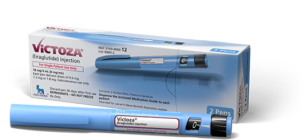
Approved in 2010, Victoza was one of the earliest daily GLP-1 receptor agonists. Its longevity in the market gives it a strong record of safety, with consistent data on heart health benefits for people with type 2 diabetes.
- The LEADER trial showed a 13% reduction in major adverse cardiovascular events over 3.5 years.
- A1C reduction ranges from 0.6% to 1.5%, depending on dose and baseline glucose levels.
Although it requires daily injection, its cardiovascular profile and lower cost make it a contender for long-term management.
5. Bydureon BCise (Extended-Release Exenatide)
Bydureon BCise delivers exenatide, a synthetic version of a hormone found in Gila monster venom. This once-weekly formulation steadily releases medication and was designed to minimize peak-and-trough effects.
- Phase 3 trials showed an average A1C drop of around 1.1% over 24 to 30 weeks.
- Patients typically lost between 2 to 6 pounds, with greater effects in combination with metformin.
User-friendly auto-injectors and over a decade of real-world data give Bydureon appeal for individuals seeking a stable option with minimal daily decision fatigue.
6. Wegovy (Semaglutide for Weight Loss)
Wegovy uses the same active compound as Ozempic but at higher doses (up to 2.4 mg weekly) and is specifically indicated for chronic weight management in adults with obesity or overweight plus a comorbidity. Wegovy was also approved by the FDA in 2022 for obesity and overweight.
- The STEP 1 trial revealed a mean weight loss of 14.9% over 68 weeks in non-diabetic participants.
- Significant reductions in waistline and blood pressure were recorded, alongside improved glycemic parameters in prediabetic subjects.
Though its use hinges on weight-focused outcomes rather than glucose, individuals managing both weight and metabolic health see dual benefits.
7. Metformin
Metformin remains the foundational therapy for type 2 diabetes because of its long-standing efficacy, low cost, and extensive clinical history. While it doesn’t belong to the GLP-1 class, it’s often the first alternative or complement to drugs like Ozempic.
- Reduces A1C by approximately 1.0% to 1.5% in monotherapy.
- Evidence from the UKPDS study supports its role in reducing diabetes-related endpoints, including myocardial infarction and all-cause mortality.
- Available in extended-release and immediate-release versions, Metformin also contributes modest weight reduction or, at a §minimum, weight neutrality.
Ozempic Alternatives Compared: Cost, Dosing, and Coverage at a Glance
Curious whether another GLP-1 receptor agonist or related therapy does more for your goals than Ozempic?
This table presents a clear, side-by-side evaluation of five leading Ozempic alternatives, focusing on key metrics like active ingredient, cost, dosage form, and FDA approval status.
| Medication | Active Ingredient | Typical Monthly Cost (Before Insurance) | Form | FDA Approved for T2D |
|---|---|---|---|---|
| Ozempic | Semaglutide | $935 | Injection | Yes |
| Rybelsus | Semaglutide | $935 | Oral tablet | Yes |
| Trulicity | Dulaglutide | $940 | Injection | Yes |
| Bydureon Bcise | Exenatide ER | $750 | Injection | Yes |
| Victoza | Liraglutide | $1,125 | Injection | Yes |
| Wegovy | Semaglutide | $1,350 | Injection | Yes |
Next Steps After Exploring Ozempic Alternatives
Choosing an Ozempic alternative isn’t just about switching medications-it’s about optimizing your health plan.
Each option offers unique benefits, dosing schedules, and side effects. Whether you’re targeting sustainable weight loss or better glucose control, the right fit depends on personal goals and your body’s response to treatment.
Still comparing your choices? Visit Ozempic vs. Mounjaro for an in-depth breakdown or explore Myorthrives’s medically-specialised weight loss dieticians for support tailored to your lifestyle.
FAQs About Ozempic and Alternatives
1. Is Ozempic the same as Wegovy?
Not exactly. Both contain semaglutide, but Wegovy is FDA-approved specifically for chronic weight management at higher doses, while Ozempic is approved for type 2 diabetes with weight loss as a secondary benefit.
2. What are the most common side effects of Ozempic?
The most frequently reported side effects include nausea, vomiting, diarrhea, and constipation. These often improve as the body adjusts, but some people may experience persistent gastrointestinal discomfort.
3. What alternatives are available if Ozempic is too expensive or not covered by insurance?
Options include other GLP-1 receptor agonists like Mounjaro, Trulicity, Rybelsus, Victoza, and Bydureon. For those seeking lower-cost alternatives, Metformin remains a first-line treatment for type 2 diabetes.
4. Can I take Ozempic or its alternatives for weight loss if I don’t have diabetes?
Only Wegovy (semaglutide) is FDA-approved specifically for weight management in people without diabetes. Ozempic is sometimes prescribed off-label for weight loss, but this should always be discussed with a healthcare provider.